Note: If you wish to receive, via e-mail, (1) my weekly newsletter or (2) daily copies of these posts, write to me at rrbates1951@gmail.com. Comments may also be sent to this address. I promise not to share your e-mail with anyone. To unsubscribe, write here as well.
Thursday
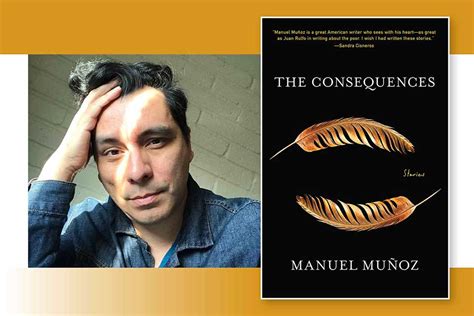
One of my book groups recently discussed Manuel Muñoz’s The Consequences (2022), a collection of short stories about Mexican Americans living in California’s Fresno Valley in the 1980s and 1990s. This account humanizes people that MAGA is currently demonizing and that ICE is chasing down. Could Trump get away with his fascistic caricatures if more people read stories like this?
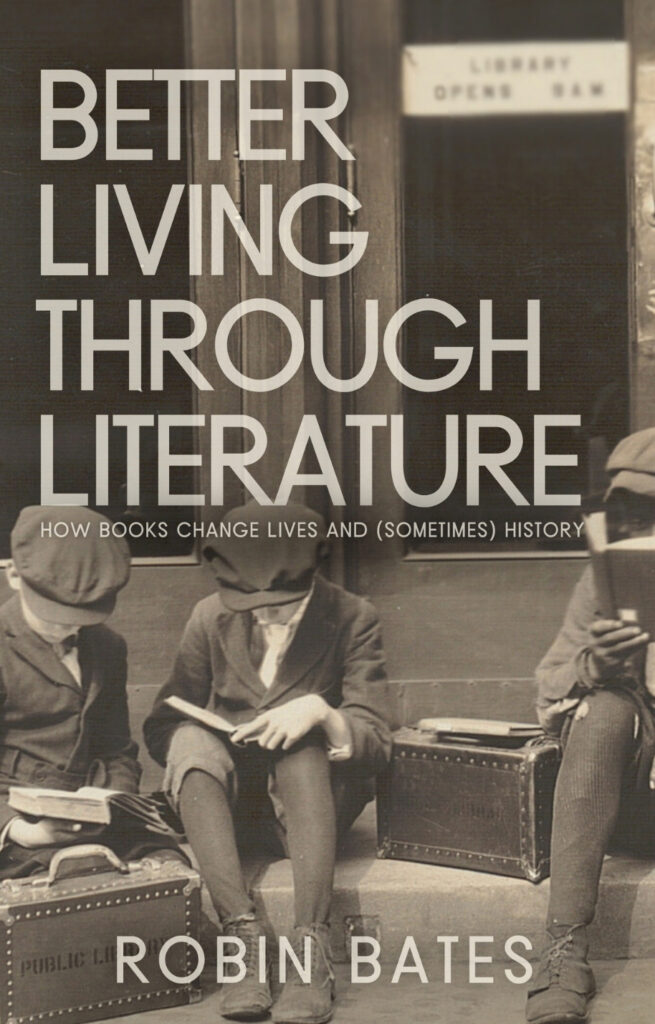
I think of how, in my book Better Living through Literature, I write about the power of the literary imagination to open minds. I explored how, in the 18th century, the Imagination became seen as a major force and was used to expand the franchise. By entering into the lives of formerly invisible people, figures like William Wordsworth and Percy Shelley encouraged their fellow citizens to
l step beyond their own narrow class boundaries in ways that would have been, well, unimaginable in earlier times. Through literature authors have entered the lives of the marginalized (Walt Whitman), the urban poor (Charles Dickens), American slaves (Harriet Beecher Stowe), Dorset dairy maids (Thomas Hardy), French coal miners (Émile Zola), Nebraska pioneers (Willa Cather), Harlem residents (Langston Hughes), African American sharecroppers (Jean Toomer), African American homosexuals (James Baldwin), bankrupted Oklahoma farmers (John Steinbeck), Laguna Pueblo war veterans (Leslie Marmon Silko), transplanted Pakistanis (Hanif Kureishi), West Indian immigrants (Zadie Smith), American lesbians (Alison Bechdel), and on and on.
Many of the dramas Muñoz handles involve deportations. In “Anyone Can Do It,” a mother and child must figure out how to live after the husband/father has been deported. A neighbor reassures her,
Sometimes they don’t come back right away. But don’t worry. They’ll be back soon. All of them. If they take them together, they come back together.
In “The Happiest Girl in the World,” the drama involves going to a border town to retrieve a husband who has been deported. We learn about a helpful bank teller servicing the narrator:
She knows the bus from Fresno stops once a week in our town now, Saturday midafternoon in front of the barbershop, as if the whole drama of deportation and return was a big plan between the migra and the charter companies. She hurries, and though she never says much of a pleasant word to any of us, I think it is because she doesn’t want us to miss the only bus going out of town, the only way to get our men back.
Often, the narrator tells us, the immigration authorities are alerted by the farmers themselves, always on a Thursday so that they don’t have to pay the week’s wages. Of the women taking the bus, the narrator reports,
Some of us have rings on our fingers and some of us don’t, but we all know what it means to watch the calendar turn to the last of the month. We know what some of the farmers do on final Fridays, and we know what to do on Saturday mornings. The farmers put their dusty hands on a phone receiver and very calmly place a call to the migra. Then the men in the green uniforms arrive at the rows of whatever crops are in season—grapes or peaches or plums—and round up the men into vans. No one ends up paid for the week’s labor, and everyone gets a standard booking in either Visalia or Fresno before being hustled back onto the vehicles. By nighttime, the vans reach Bakersfield and start the slow ascent into the mountains. They will head through Los Angeles—where all our men know it’s easy to get lost, but expensive to live—then on to San Diego, where it’s just expensive to live. Finally, they’ll reach the border itself and Tijuana, where the van doors open to let all of the men out so they can start over again.
The narrator is “the happiest girl in the world” because her man shows up.
In another story, we see enacted a scene with which we are becoming only too familiar:
That’s when it happened, the bad thing. They were all deep in the orchard, far away from the road, but still close enough to see the shape of one of those green migra vans, its bright gold star winking at them from the road. They saw two officers come out, bulky and towering over Eliseo, more slender than ever. They watched like rabbits in the field, statue-still, resisting the urge to run, the two officers putting Eliseo’s arms behind his back and leading him to the van.
The story “Fieldwork” has the most extensive account of the work that the men are doing. The narrator’s father is in rehab following a stroke and, to get him talking, the son reminds him how he used to wire money to his Mexico relatives, earned from picking oranges, grapes, and peaches:
Naranjas, right, Dad?
When he heard the Spanish, he nodded and continued recalling in his own language. Cotton and tomatoes, too. And almonds, my father added, and figs and nectarines, there was so much work. Apricots, plums, corn, pistachios, the lemon groves over on the eastern slope of the Valley into the Sierras. Walnuts and cauliflowers. Cherries and pears. He kept remembering things. Strawberries hiding in the dirt. Pecans. Persimmons. Avocado trees in the prettiest green rows you’ve ever seen. Olives and wheat. Hay bundled up for the horses and the cows. Apples, because the Americans liked their pies.
The father also remembers fleeing with the other laborers, even though he had the necessary papers. It is an experience a number of people caught up in the ICE raids can relate to. The father here is responding to his son’s question about why he didn’t inform the authorities:
He laughed. You think anybody ever believed me? You think they believe you just because you say something? You think all you have to do is say you have papers? Here, my father said, thrusting his hands out as if in offering. Here, my papers.
For all the mentions of the “migra,” however, they are more of a backdrop than a focus. The richness of the stories lies in how the Mexicans and Mexican Americans interact with each other. Sometimes there are betrayals, sometimes there are unexpected acts of kindness, but always there are people being people. As a Christian Science Monitor review observes, each character “receives the gift of consideration: these are lives as deserving of attention and grace as any other.”
Providing us with such three-dimensional depictions is what good literature does, which is why we must keep turning to it if we are to hold on to our souls. Forces are at work seeking to strip us of our humanity, but authors like Muñoz give us the stories we need to resist.