Sunday
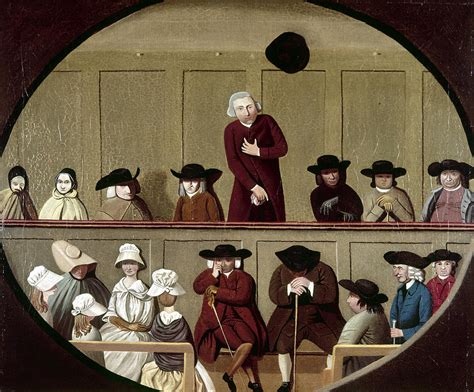
My friend Rebecca Adams, who organizes our weekly lectio divina group, this past week shared an excerpt from John Greenleaf Whittier’s “The Meeting.” The Quaker poet is exploring how best to open oneself to God, and, though he wouldn’t have been familiar with Emily Dickinson’s “Some keep the Sabbath going to church,” he appears to be making a counter argument.
Dickinson’s poem opens,
Some keep the Sabbath going to Church –
I keep it, staying at Home –
With a Bobolink for a Chorister –
And an Orchard, for a Dome –
Whittier’s friend, meanwhile, makes a similar arguments against meeting houses and church ritual:
“What part or lot have you,” he said,
“In these dull rites of drowsy-head?
Is silence worship? Seek it where
It soothes with dreams the summer air;
Not in this close and rude-benched hall,
But where soft lights and shadows fall,
And all the slow, sleep-walking hours
Glide soundless over grass and flowers!
From time and place and form apart,
Its holy ground the human heart,
Nor ritual-bound nor templeward
Walks the free spirit of the Lord!
Whitman’s response is basically that Nature is too populated and too noisy:
Dream not, O friend, because I seek
This quiet shelter twice a week,
I better deem its pine-laid floor
Than breezy hill or sea-sung, shore;
But nature is not solitude;
She crowds us with her thronging wood;
Her many hands reach out to us,
Her many tongues are garrulous;
Perpetual riddles of surprise
She offers to our ears and eyes;
She will not leave our senses still,
But drags them captive at her will;
And, making earth too great for heaven,
She hides the Giver in the given.
Then comes the excerpt Rebecca shared, which is a lovely argument, not only for quiet Quaker worship, but for communal worship in general:
And so I find it well to come
For deeper rest to this still room,
For here the habit of the soul
Feels less the outer world’s control;
The strength of mutual purpose pleads
More earnestly our common needs;
And from the silence multiplied
By these still forms on either side,
The world that time and sense have known
Falls off and leaves us God alone.
There are many who argue that they are spiritual but not religious and so reject church attendance altogether. While I’m sympathetic, Whitman makes the case that communal worship offers something special, even when (as can happen in Quaker gatherings) everyone is silent. The “still forms on either side” multiply the silence so that the world of time and sense falls away.
In the end, we are left one on one with the numinous. Which is what, after all, we seek.