Wednesday
While I have zero interest in celebrity culture and in extravagant affairs like the recent Met Gala, my attention was recently caught by an Amazon workers protest. Apparently Jeff Bezos and his wife, who paid $10 million to host the affair, were greeted by hundreds of bottles filled with yellow liquid inside the Metropolitan Museum of Art. Apparently Amazon delivery drivers are being forced to urinate in bottles and sometimes poop in bags because they are not granted time off for bathroom breaks.
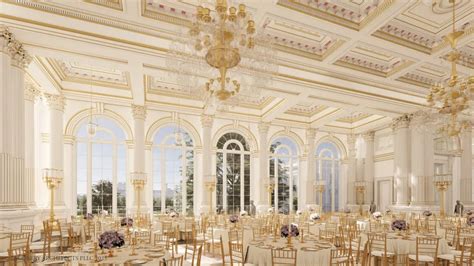
The story is emblematic of GOP class warfare, where legislators cut taxes on billionaires while slashing safety net programs that support America’s needy. Meanwhile the president, even as his tariffs and war push up grocery and gas prices, gilds the White House with gold and obsesses over plastering his name and picture all over buildings, coins, airports, passports, and elsewhere. Oh, and his new ballroom, which he said would be privately funded, now looks as though it will cost $1 billion of taxpayer money. “Build the ballroom!” has become the 2026 version of “Build the wall!”
It’s enough to send one back to Charles Dickens’s Tale of Two Cities.
Dickens novel, of course, is about what happens when extreme poverty meets extreme wealth. Here’s a passage on poverty:
The mill which had worked them down, was the mill that grinds young people old; the children had ancient faces and grave voices; and upon them, and upon the grown faces, and ploughed into every furrow of age and coming up afresh, was the sigh, Hunger. It was prevalent everywhere. Hunger was pushed out of the tall houses, in the wretched clothing that hung upon poles and lines; Hunger was patched into them with straw and rag and wood and paper; Hunger was repeated in every fragment of the small modicum of firewood that the man sawed off; Hunger stared down from the smokeless chimneys, and started up from the filthy street that had no offal, among its refuse, of anything to eat. Hunger was the inscription on the baker’s shelves, written in every small loaf of his scanty stock of bad bread; at the sausage-shop, in every dead-dog preparation that was offered for sale. Hunger rattled its dry bones among the roasting chestnuts in the turned cylinder; Hunger was shred into atomics in every farthing porringer of husky chips of potato, fried with some reluctant drops of oil.
A major political question is how Trump can maintain the loyalty of white working-class voters while shrugging off their affordability concerns. Dickens provides a kind of answer in the “mender of roads” character. Even though the man himself experiences hunger, he fixates on the lives of the glitterati:
[S]oon the large-faced King and the fair-faced Queen came in their golden coach, attended by the shining Bull’s Eye of their Court, a glittering multitude of laughing ladies and fine lords; and in jewels and silks and powder and splendour and elegantly spurning figures and handsomely disdainful faces of both sexes, the mender of roads bathed himself, so much to his temporary intoxication, that he cried Long live the King, Long live the Queen, Long live everybody and everything!… Then, there were gardens, courtyards, terraces, fountains, green banks, more King and Queen, more Bull’s Eye, more lords and ladies, more Long live they all! until he absolutely wept with sentiment. During the whole of this scene, which lasted some three hours, he had plenty of shouting and weeping and sentimental company, and throughout Defarge held him by the collar, as if to restrain him from flying at the objects of his brief devotion and tearing them to pieces.
The Defarges, who will play key roles in the revolution to come, have brought the man to Versailles as part of their grand plan. “You are the fellow we want,” Defarge tells him. “You make these fools believe that it will last forever. Then, they are the more insolent, and it is the nearer ended.”
Is it because his fans have been letting Trump get away with his non-stop corruption that he thinks he can be brazenly open about it. Do his insolent relatives and billionaire friends figure the flush times will last forever because Trump won a second term? How willing will the MAGA faithful be to turn a blind eye when gas reaches $5 a gallon? By the end of the novel, the road mender has become a wood sawyer making jokes about cutting off heads.
While Dickens’s novel makes clear that violence is not the answer, how about a major party realignment and enlightened tax policy? That would begin addressing the ills besetting our nation.
Imagine fewer lords and ladies and more food for the hungry. Might an average mender of roads vote for that?