Thursday
On this day 81 years ago, the United States destroyed Hiroshima and then, three days later, Nagasaki. For years it seemed only a matter of time before other populations would be decimated as the Soviet Union, the United Kingdom, France, China, India, Pakistan, North Korea and (unofficially) Israel acquired the weapon.
Despite scares in the early 1960s and then again in the early 1980s, the world has been fortunate to escape a repeat. While we can’t be entirely sure that Trump will back down from his April threat that “a whole civilization will die tonight, never to be brought back again,” even he appears unwilling to go this far. For its part, Iran may figure that it doesn’t need nuclear weaponry now that it knows it can hold the world hostage by closing down the Strait of Hormuz.
To ward off complacency, however, we need artists reminding us of humanity’s ability to usher in the apocalypse by one push of a button. One of my favorite Hirsoshima poems is by Richard Tillinghast, whom I vaguely remember as a child when he was a student at Sewanee. It was written in August of 1962 as the Soviet Union was moving missiles into Cuba. triggering what would become known as the Cuban Missile Crisis. My father included it in his anthology Poems of War Resistance, published during the Vietnam War in 1969.
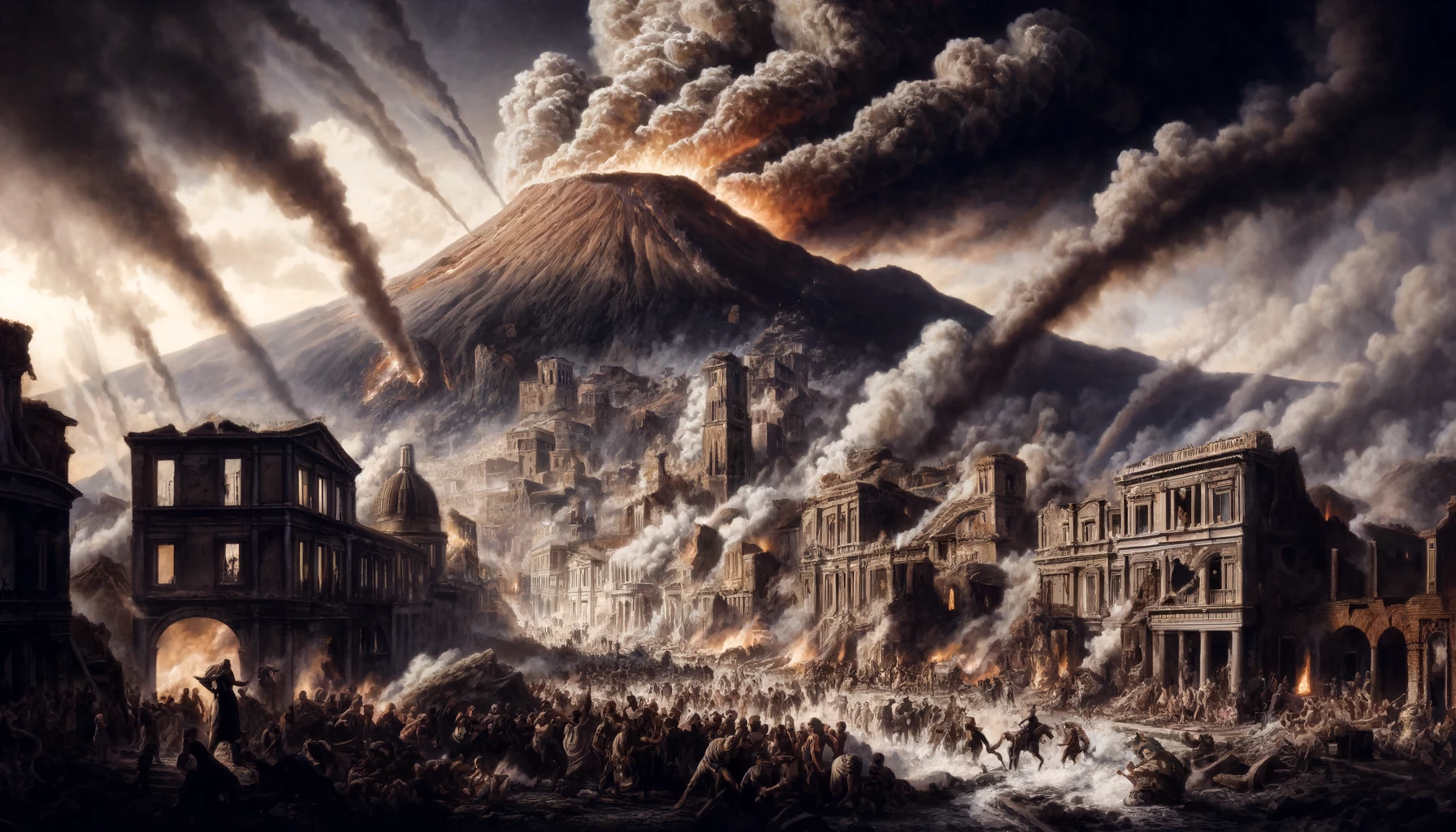
In the poem the poet is visiting Pompeii, which experienced its own apocalyptic annihilation in 79 A.D. Looking out through the ruined portico of the Jupiter temple at blackberry vines as he thinks of Hiroshima, he perceives “a semblance of cycle”:
…in the wreck of the past,
In the dead fusion of marble and lava, the seed
Of new greenness begins.
The promise of this greenness, however, is mocked by a world that is threatened with nuclear warheads. Hope dies on the vine, as it were, with the poet reporting,
But the berries sour on my mouth.
Hot wind and cinder sun have frayed
The vines and wizened the sweetness of the berries’ growth…
The poem ends with an ominous allusion to Yeats’s rough beast stalking towards Jerusalem. In “The Second Coming,” we are waked from stony sleep while in Tillinghast’s poem, “all of Europe seems/To drowse here, dazed in the sun towards death.” There also may be an allusion to Robert Oppenheimer quoting the Bhagavad Gita after witnessing the first test explosion: “Now I am become Death, the destroyer of worlds.”
Of as Tillinghast puts it,
A new sun blots Vesuvius—
Of earth and sky, the old but the new destroyer.
When Trump recently promised Saudi Arabia nuclear technology in exchange for family favors, he threatened to undo the efforts of both Democratic and Republican administrations to reverse nuclear proliferation. “Ruins of the human mind,” the poet writes, “are tangled with stunted fruit of the future.”
It’s a grim warning but a necessary one.
A Poem on the Nuclear War, from Pompeii
By Richard TillinghastThe August blackberries harden and sour.
Their vines rattle at a breath of volcanic dust
Through the portico of Jupiter Sator.Plucked juicy from broken stone, the fruits suggest
A semblance of cycle. The principle could not be
More apparent; in the wreck of the past,In the dead fusion of marble and lava, the seed
Of new greenness begins. But the berries sour on my mouth.
Hot wind and cinder sun have frayedThe vines and wizened the sweetness of the berries’ growth
Not only Pompeii, but all of Europe seems
To drowse here, dazed in the sun towards death.It is a time of stopped time, when ruins
Of the human mind are tangled with stunted fruit
Of the future. A new sun blots Vesuvius—
Of earth and sky, the old but the new destroyer.