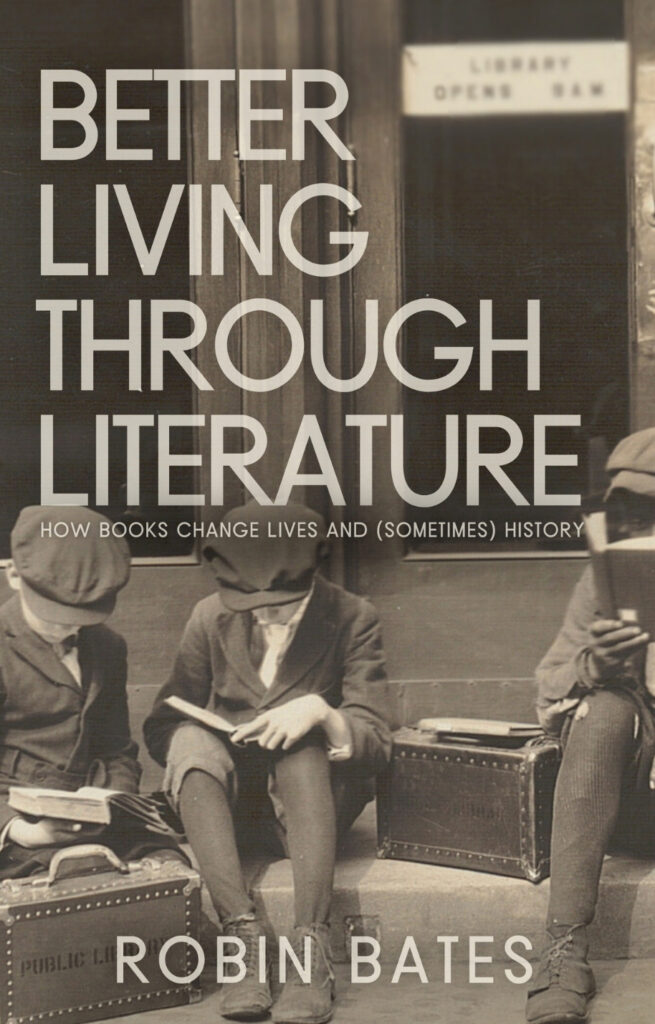
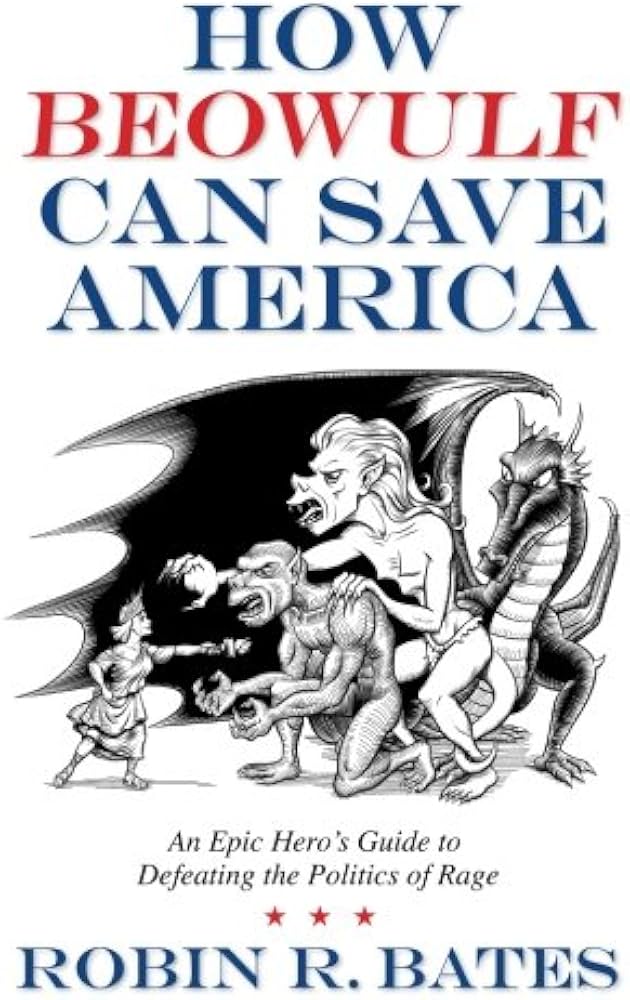
Books about books give readers a sense that they are part of a larger community.
Posted in Uncategorized | Also tagged A. A. Milne, Charles Dickens, Charlotte Bronte, David Copperfield, E. Nesbit, Jane Austen, Jane Eyre, metafiction, Northanger Abbey, Treasure Seekers, wind in the willows, Winnie the Pooh, Would Be Goods | Pan became a major figure for turn-of-the-century poets and artists.
Posted in Uncategorized | Also tagged "Afternoon of a Faun", Bacchae, Euripides, Finnegans Wake, Guillaume Apollinaire, Heresiarch and Company, James Barrie, James Joyce, Mallarmé (Stéphane), mythology, Paganism, Pan, Peter Pan, Peter Weir, Picnic at Hanging Rock, Puck of Pook's Hill, Rudyard Kipling, Theocritus, Ulysses, wind in the willows | “The Piper at the Gates of Dawn” episode in “Wind in the Willows” is a powerful expression of pantheism.
It appears that New Orleans will be spared the flooding that has occurred further up river, thanks to the Army Corps of Engineers playing God and determining who gets protected and who goes under. While it’s certainly amazing what the Corps has accomplished, but one can’t help but think of Mark Twain’s skepticism in Life on the Mississippi almost 130 years ago.
Having taught British Fantasy Literature for the first time last semester, I need to think back on it before it becomes a distant memory. By reflecting publicly, I can share some of the insights I gained from the course. Two major things I learned are that (1) fantasy is an oppositional genre—by which I […]
Posted in Uncategorized | Also tagged "Kubla Khan", "La Belle Dame sans Merci", "Lady of Shallot", Alfred Lord Tennyson, Alice in Wonderland Alice through the Looking Glass, Carl Jung, Charles Dickens, Christina Rossetti, fantasy, Geoffrey Chaucer, Goblin Market, Grimm Brothers, Hans Christian Andersen, Hard Times, Hero with a Thousand Faces, Idylls of the King, J. R. R. Tolkien, James Barrie, John Keats, Joseph Campbell, Jungle Books, Lewis Carol, Man and His Symbols, Midsummer Night's Dream, Rider Haggard, Rime of the Ancient Mariner, Rudyard Kipling, Samuel Taylor Coleridge, She, teaching, The Lord of the Rings, The Wind in the Willows, William Shakespeare |