Monday
My dear friend Rebecca Adams recently alerted me to Kimm Addonizio’s “Sleepless Nights,” which uses myth and literature to imagine the possibilities for action in the face of oppression. Will we be fatalistic when infants are “left to die on hillsides, Oedipus abandoned” or will we be like the shepherd who rescues him? The poet asks us directly:
if you knew what was coming would you dig a burrow or cower
in the shade of a grass blade as the shadow of the hawk passed over
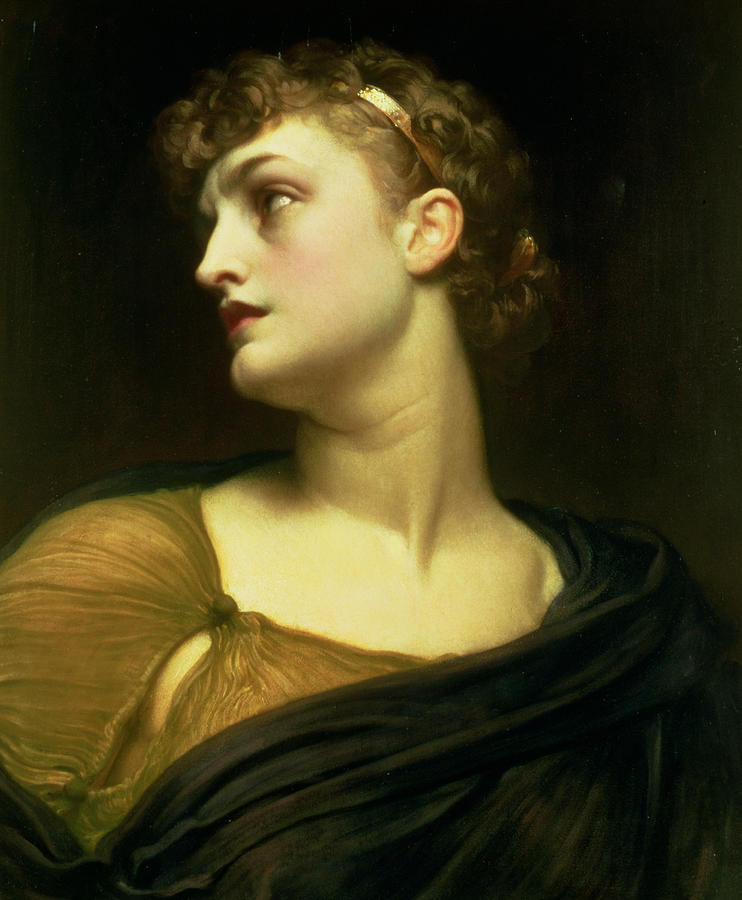
or would you be like Antigone, defying the king, refusing to dishonor
her slain brother, sentenced to entombment she hung herself—
Sadly, Americans dealing with ICE have had too many occasions to ask themselves about their potential for heroic action. “Unhappy the land that needs heroes,” Galileo observes in Bertolt Brecht’s play.
Addonizio recounts a story with which I am unfamiliar. While I’ve written about how Nelson Mandela and his fellow inmates at Robben Island turned to Shakespeare at critical moments, I didn’t know about their performance of Sophocles Antigone. I’ll research that for a future post.
But I did know about the Allies’ use of Paul Verlaine’s “Chanson d’automne,” a poem I was required to memorize while attending a Paris middle school. My father, who was in France a month after D Day—he actually landed on Omaha Beach, but it was mostly free of Germans by then—had a record recounting the story of the invasion. Included was the story of how the invading forces sent out the first three lines of the beloved poem to shortwave radios to signal that the invasion would commence within the next two weeks. Then, five days later, the next three lines were sent out to instruct the Resistance to begin cutting the rail lines.
Sleepless Nights
By Kimm Addonizio
Lately I’ve lain in bed with a disembodied voice, listening
to the ancient Greek myths and their meanings, imagining
Athens and Naxos and Thebes, imagining infants left to die
on hillsides, Oedipus abandoned and then rescued by
a shepherd, no one could avoid their fate, not then, maybe not ever,
if you knew what was coming would you dig a burrow or cower
in the shade of a grass blade as the shadow of the hawk passed over
or would you be like Antigone, defying the king, refusing to dishonor
her slain brother, sentenced to entombment she hung herself—
maybe you know that story, or the one about Nelson Mandela
and his fellow inmates at Robben Island performing the ancient play,
learning it secretly from scraps of paper—or Verlaine’s
“Chanson d’automne” on the BBC, in 1944, the long sobs of the violins,
just a few words to signal the French Resistance, imagine.
As I recall the record, the broadcaster said something to the effect of, “And now to our friends in the French Resistances, Les sanglots longs des violons de l’automne.” A song about autumnal depression has always seemed to me to be a strange way to announce a hopeful invasion but it serves Addonizio’s theme well: heroic action as the best response to sleepless nights and fatalism.