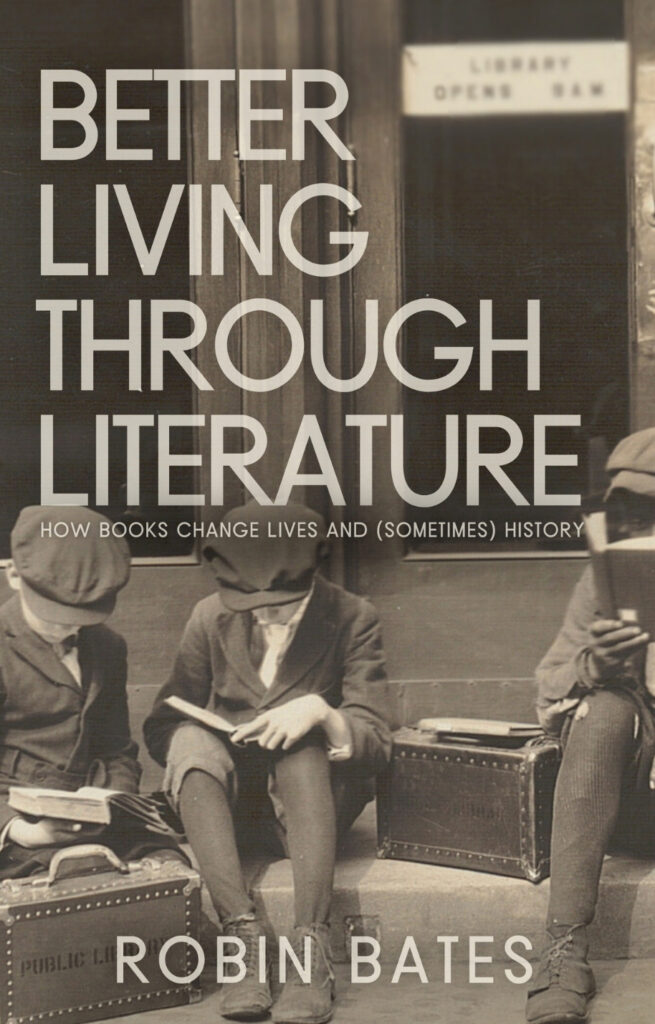
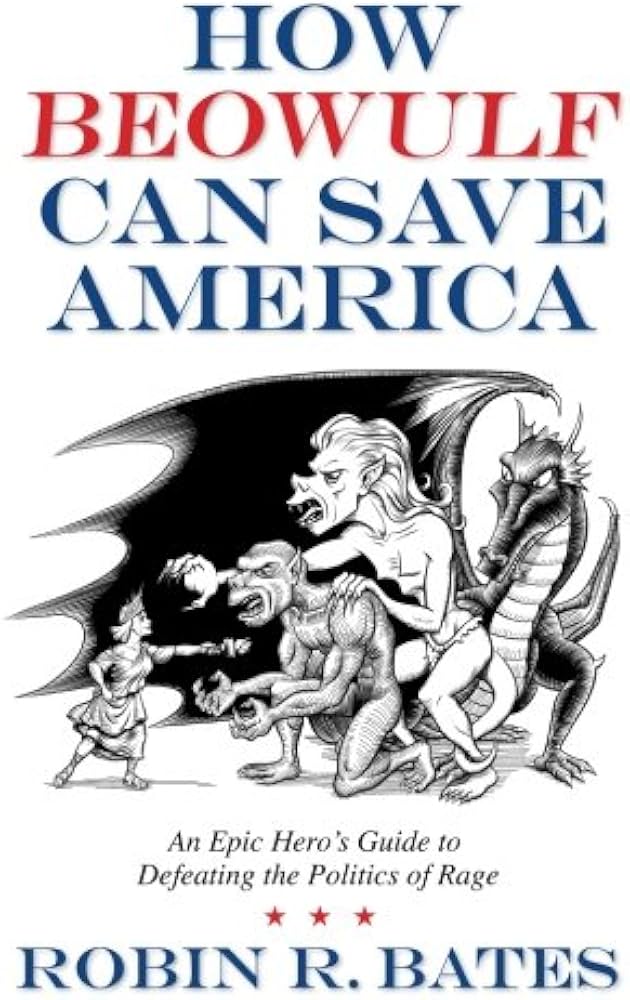
I share the Samuel Johnson chapter from my book-in-progress.
Dante’s beautifully tragic account of Paolo and Francesca captures–as many great works do–the dangers of total absorption in a relationship.
Posted in Uncategorized | Also tagged Adultery, Charlotte Bronte, Christopher Marlowe, Dante, Doctor Faustus, Goethe, Inferno, Jane Eyre, Paolo and Francesca, passionate love, Romeo and Juliet, Sorrows of Young Werther, Stephenie Meyer, Twilight, William Shakespeare | In three articles on rereading great literature during difficult times, two discuss how it reassures them and the third that literature isn’t meant to reassure.
The movie “Knives Out” is satisfying but leaves unquestioned the American Dream.
A “New Yorker” article on aging turns to literature to debunk the notion that aging is a good thing.
Posted in Uncategorized | Also tagged "Vanity of Human Wishes", "Sailing to Byzantium", "Tithonous", Aging, Alfred Lord Tennyson, Aristotle, As You Like It, Ecclesiastes, Geoffrey Chaucer, Gulliver's Travels, Jonathan Swift, King Lear, Merchant's Tale, old age, Plato, Rasselas, Ulysses, William Butler Yeats, William Shakespeare | The late Harold Bloom longed to be a Samuel Johnson but never got there.
Wednesday The talk with my son that I described in Monday’s post reminded me of talks with my own father where I was sure he was wrong. I’ve since concluded that I was not as right as I thought I was and that our disagreements came down to our different life arcs. Our arguments came […]
I share here my “last lecture” from my retirement ceremony. (But rest assured: I will not be retiring from this blog.)
Posted in Uncategorized | Also tagged Aristotle, Bertolt Brecht, Chinua Achebe, Divine Comedy, Goethe, Heart of Darkness, Horace, Huckleberry Finn, integration, Jane Austen, Joseph Conrad, Mark Twain, Martha Nussbaum Wayne Booth, Matthew Arnold, Percy Shelley, Plato, Rachel Blau DuPlessis, segregation, Sir Philip Sydney, Terry Eagleton, W. E. B. Du Bois, Wayne Booth | A transcript of a talk given at the University of Ljubljana on “how literature changes lives.”
Posted in Uncategorized | Also tagged Aristotle, Bertolt Brecht, Chinua Achebe, Frederick Engel, Horace, Karl Marx, Martha Nussbaum, Matthew Arnold, Percy Shelley, Plato, Rachel Blau du Plessis, Sir Philip Sidney, Wayne Booth |